Grow your practice with SEO for architects.


We're Pollinate Marketing
Are you an architect? Do you want to win more clients through your website?
We’re Pollinate Marketing, an SEO agency based in Manchester, founded in 2024. You’re an architect with a portfolio that speaks for itself, but if people can’t find it on Google, you’re relying on referrals to do all the work. SEO drives the people searching for an architect to your website, and turns visitors into enquiries and clients.
Get in touch for a free SEO audit of your architecture firm’s website. We’ll show you exactly where you’re losing visibility and what a realistic path to more enquiries looks like, no obligation.

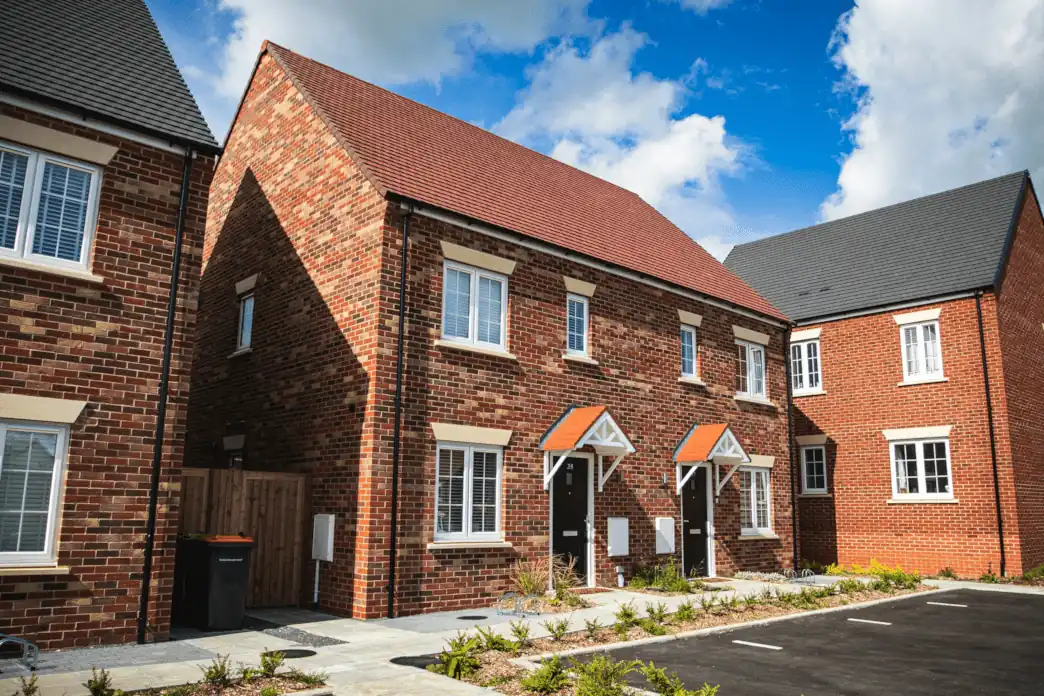
Why should architects try SEO?
SEO fixes the specific things costing you clients, and starts winning you new ones.
Want your portfolio to load in a second, even with dozens of high-res project photos? Want a page for every project type and area you cover, so potential clients always land on the right page for them? Want to show up for the specific, high-intent searches your ideal clients are actually typing in? Want to be featured in the architecture and design press your future clients actually read?
We can fix that: technical SEO to optimise your site’s code, content built around the keywords your clients search for, and link building to earn coverage where it matters.
Our SEO services for architects
As an SEO agency, our services cover every core strand of SEO: technical SEO, content writing, and link building. Here’s what that means in practice for architects.
Planning
Architecture is a niche market with niche search behaviour, and the SEO strategy we build for you reflects that. So before we touch anything on your site, we look at what your local, regional and national competitors are ranking for (competitor research), what your potential clients are actually searching (keyword research), and where we could have the quickest and biggest effect on your site with SEO.
Local & regional visibility
Most architecture commissions start with a Google search. We use local SEO to make sure you show up when someone near you searches for an architect, whether that's a homeowner planning an extension or a developer scouting firms for a commercial project. We cover your city, your surrounding towns, and the specific areas where you want to win work.
Project pages
An architect's portfolio is indispensable, but it's also almost certainly doing nothing for your SEO. As your SEO agency we can turn your completed projects into properly optimised case study pages that rank in Google search for the type of work you actually want more of, whether that's barn conversions, urban residential, commercial fit-outs, or anything in between.
Technical SEO
Architecture websites tend to be visually stunning and technically painful for Google. Heavy image files, slow load times, poor mobile performance, each of these issues undermines every other bit of SEO work an agency might do for you. We go through your site from the ground up, fix what's holding you back, and make sure Google can properly find and rank every page you have.
Content
Most people spend weeks researching before they contact an architect. As one of our SEO services, we can create keyword-optimised content that puts you in front of them during that research phase, answering the questions they're already asking and building trust before you've even spoken. That traffic builds steadily over time, and unlike paid ads, it doesn't stop the moment you turn off the budget.
Specialism pages
An architect that does extensions, new builds, heritage work, commercial projects and school buildings shouldn't have one page trying to cover all of them. Separating them out is better for users, better for Google, and easier for an SEO agency or consultant to actually work on your site! As another of our SEO services we can build dedicated pages for each specialism you want to grow, so you rank specifically for the type of work that suits your architectural practice.
Houzz & Google Business
SEO for architects isn't just about your site; it's about your whole online footprint. We make sure your Google Business Profile, Houzz listing, and any other relevant directories are fully optimised, consistent, and actively working alongside your site. These off-site profiles carry real weight in local search and are often the first thing a potential client sees.
Press coverage
Backlinks from relevant, credible websites are still essential for SEO as one of the strongest trust signals Google use (what we call a "ranking factor"). We build them through local press coverage, architecture and design publications, and property industry mentions and create the kind of authority that takes time to build and is difficult for competitors to replicate.
Reporting
Every month you get a clear, plain-English SEO progress report detailing where your traffic came from, which keywords improved, and what it all means in terms of real enquiries and project opportunities. Nothing but straight answers on whether your SEO is working and what we're doing next.
See how you're ranking
Where does the data come from?
My practice isn't showing up.
Which firms should I compare against?
What's domain rating?
Why does site speed matter for architect SEO?
SEO ROI calculator
How does the calculator work?
How accurate is it?
Where does the traffic data come from?
When does SEO for architects start paying off?
What affects how much an SEO campaign costs for an architectural practice?
Who we are
Your SEO Partner
Maybe you’ve tried doing SEO yourself instead of focusing on what you do best. Maybe you’ve paid for help and been given the runaround by an SEO agency that knows how to send invoices and not much else. Or maybe you’re just not seeing the kind of return you want to see from your website. We speak to architects just like you every day.
We’re based in North Manchester, between Prestwich, Blackley and Cheetham Hill, right next to Heaton Park. From here, our team helps architects compete and win online across the city and beyond, combining local SEO, content, technical SEO and web design into one clear plan, doing the work properly, and reporting on progress in a way that makes sense — the sort of SEO agency architects actually want to work with!
Rooted in Manchester
From Salford to Stockport, Oldham to Wigan, architects across Greater Manchester can trust us to make them more visible online. So whether you run a dental practice in Denton, an estate agent in Eccles, or some other business that starts with the same letter as where it is, our local SEO strategies can help you get found.
We optimise Google Business Profiles, create location-focused content, build the right local backlinks, and structure websites to perform wherever you operate, all built around the keywords architects need to rank for to be found by customers and clients. Click the interactive map to find out more about SEO where you’re based. Or if you’re not based in Manchester, get in touch with us anyway!
Jamie Fallon

My name's Jamie, I've offered SEO services since 2016. Since then I've worked freelance, at agencies, and in-house as well as on my own websites - and now at Pollinate!

Latest posts

How to set up an architecture practice Google Business Profile
By: Jamie Fallon | Architects | Last updated: April 27, 2026

Is SEO worth it for architects?
By: Jamie Fallon | Architects | Last updated: April 27, 2026

Does a blog help with architect SEO?
By: Jamie Fallon | Architects | Last updated: April 27, 2026
How to run an architecture practice WordPress site
By: Jamie Fallon | Architects | Last updated: April 27, 2026
